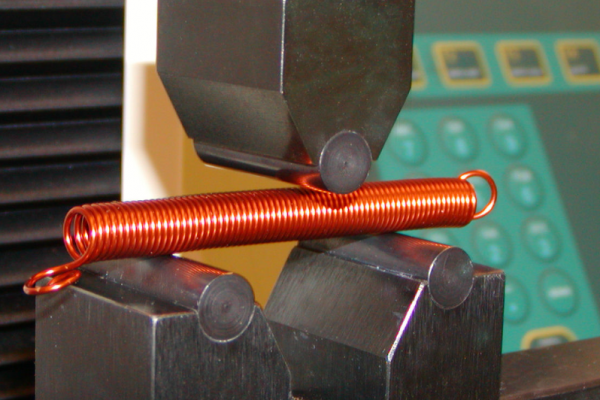
Dolph’s® offers a wide range of impregnation resins. These products are, specially designed to fulfill the most demanding conditions of the electrical insulation and electronic protection markets.
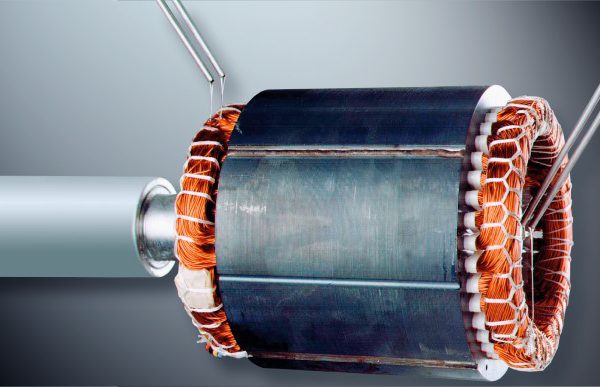
Dolph’s® offers a wide range of two-component potting resins. These products are specially designed to meet the most demanding conditions of the electrical insulation and electronic protection markets.
Pigmented coatings are used on motors, generators and transformers to improve protection against humidity and chemicals. Coating also improves the anti-tracking properties of electrical parts. Coatings are available in a variety of different spray cans.
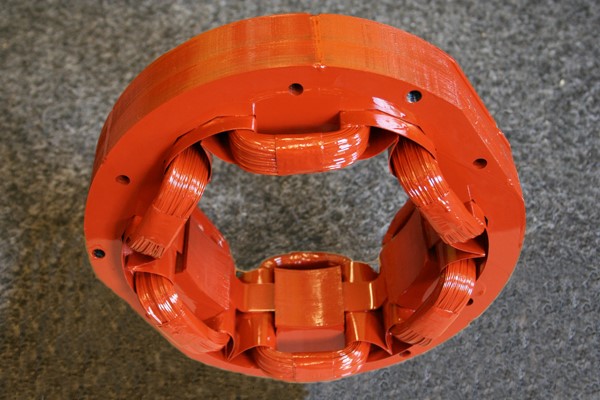
The multilayer laminates from Von Roll are manufactured by laminating aramid paper (e.g. Nomex®) with polyester or polyimide films, coupling polyester fleece with polyester film as well as by laminating other materials.
In addition to individual products and system solutions, Von Roll Dolph’s® also offers consulting and testing services. From tests on individual products or objects to the recommendation and qualification of complete insulation systems in the sectors of low and high voltage, electronic and electrical applications across all industries. We are globally represented on all continents with our laboratories and test facilities.